
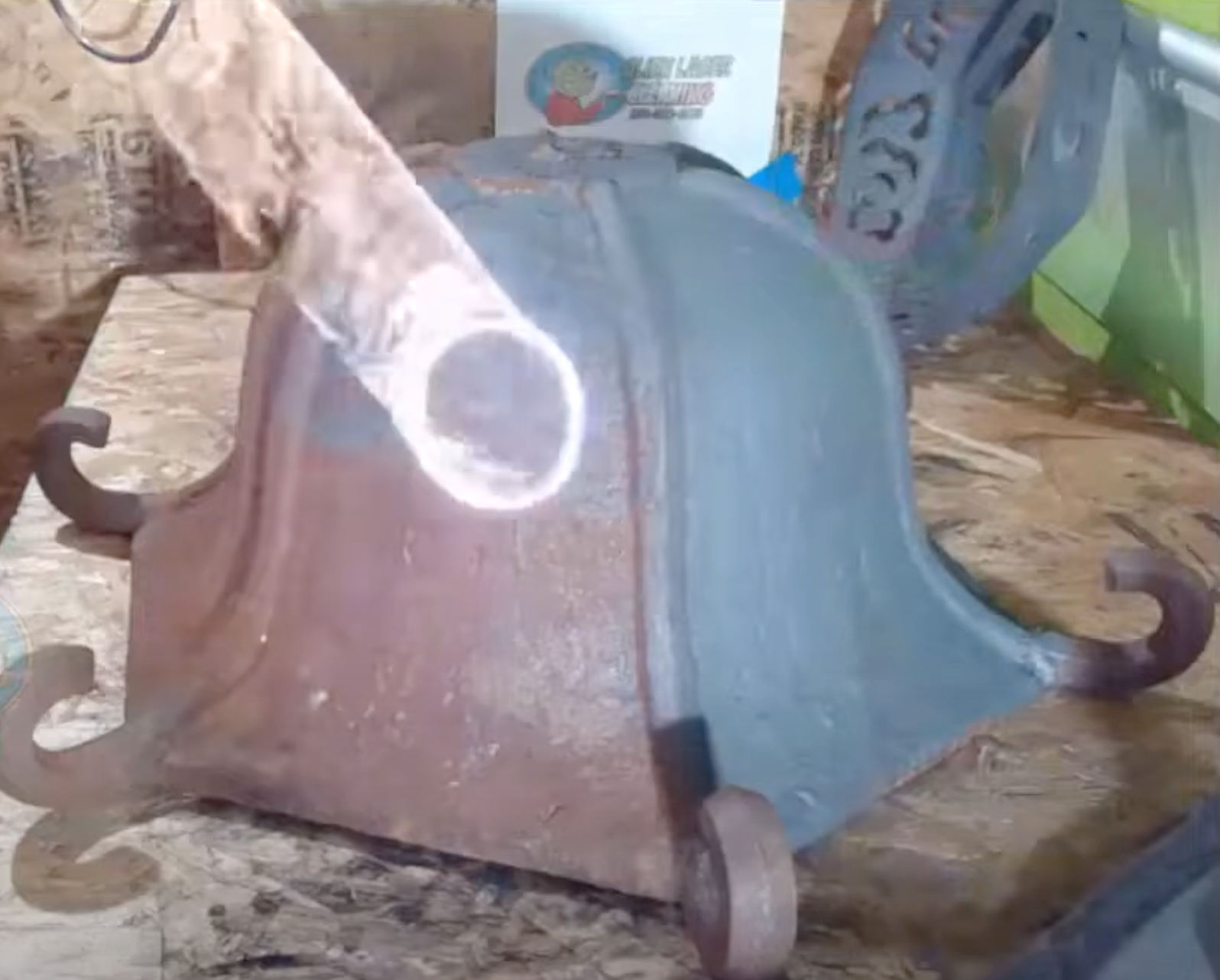
As science and technology advance at an unprecedented pace, industries across the globe are embracing innovations that deliver faster, cleaner, and more cost-effective results. Among these breakthroughs, laser cleaning machines stand out as a transformative solution, replacing many traditional cleaning methods with a high-speed, precision-driven, and eco-friendly alternative. Alien Laser Cleaning leads this charge, offering customizable laser systems that cater to diverse industrial needs—from delicate heritage restorations to heavy-duty rust removal.
1. How Laser Cleaning Works
Alien Laser Cleaning’s machines leverage focused laser pulses to heat and vaporize contaminants—such as rust, paint, and oil—on the surface of a substrate. Unlike abrasive or chemical methods, laser cleaning requires:
- No Consumables: No grit, blasting media, or solvents
- No Residue: Contaminants vaporize or fracture into dust, which is easily evacuated
- Non-Contact Operation: The laser head never touches the workpiece, preserving surface integrity
By simply plugging in the unit and selecting parameters via an intuitive touchscreen, operators can begin cleaning in minutes.
2. Key Advantages of Alien Laser Cleaning Machines
- Precision Cleaning Without Damage
- Adjustable beam width and energy settings allow pinpoint removal of coatings without harming the base material—ideal for precision parts, cultural relics, and delicate assemblies.
- Non-Contact, Single-Operator System
- The handheld laser head requires no physical contact with the part, reducing wear on tooling and minimizing human error.
- Versatile Cleaning Modes
- Multiple scanning patterns (e.g., raster, spiral, line) accommodate complex shapes and varied surface textures at the touch of a button.
- High Speed & Throughput
- Powerful pulse and continuous-wave models clear contaminants up to 10× faster than chemical or abrasive techniques, boosting productivity and lowering labor costs.
- Chemical-Free & Environmentally Responsible
- Zero hazardous waste—no acids, solvents, or blasting media—translates to significant savings on disposal fees and compliance liabilities.
- Labor Savings & Ease of Use
- No specialized certifications required. Operators set parameters such as power, frequency, scan speed, and coverage area directly on-screen, ensuring consistent results.
- Long Service Life
- Laser diodes rated for over 100,000 hours of operation reduce downtime and maintenance overhead.
- Wide Material Compatibility
- Effective on steel, aluminum, stone, composites, and more—removing rust, paint, coatings, oil, and organic residues across automotive, aerospace, marine, and heritage-restoration sectors.
3. Considerations & Limitations
While laser cleaning is a game-changer, it’s important to understand its trade-offs:
- Higher Upfront Cost
- Initial investment exceeds that of traditional cleaners. Pulse-laser systems carry a premium over continuous-wave models due to finer control and zero-trace cleaning.
- Safety Protocols Required
- Operators must wear protective eyewear and follow strict procedures—high-energy beams can cause eye or skin injury if misused. Alien Laser Cleaning supplies certified laser-safety goggles with every unit.
- Not Universal
- Challenging on barnacles, thick grease, porous substrates, or heat-sensitive materials (rubber, some plastics). Pre-testing is recommended for unconventional applications.
- Environmental Constraints
- Water-cooled lasers require temperature-controlled settings (10–35 °C). In sub-optimal climates, only laser-grade antifreeze solutions (not automotive types) maintain performance. Recommended antifreeze-to-water ratios:
- • –2 – 5 °C: 2 : 8
- • –12 – 15 °C: 3 : 7
- • –22 – 25 °C: 4 : 6
- • –32 – 35 °C: 5 : 5
- • –42 – 45 °C: 6 : 4
- Micro-Damage Risk with Continuous Lasers
- Continuous-wave machines may overheat surfaces, causing micro-scratches or abrasion. For zero-damage demands, Alien Laser Cleaning recommends pulse-mode units—albeit at a higher price point.
- Flammable Environments
- Sparks generated during cleaning pose ignition risks in petrochemical, paint-spray, or grain-handling facilities. Laser systems are not advised in high-risk atmospheres without rigorous safety assessments.
4. Applications Across Industries
- Automotive & Heavy Equipment: Rust and old paint removal on chassis, engine blocks, and undercarriages
- Heritage & Art Conservation: Gentle cleaning of sculptures, monuments, and historical machinery
- Marine: Biofouling and corrosion remediation on hulls and offshore platforms
- Manufacturing: Precision degreasing of molds, dies, and electronic components
- Aerospace: Removal of coatings and contaminants on turbine blades and structural parts
Alien Laser Cleaning partners with you to conduct on-site testing, ensuring optimal machine selection and parameter tuning for your unique requirements.
5. Choosing the Right Alien Laser Cleaning System
- Pulse Laser Series: Best for ultra-delicate or zero-trace jobs (e.g., electronics, relics).
- Continuous-Wave Series: Ideal for large-scale, rough-machining tasks where speed outweighs microns of damage.
Our engineering team will evaluate your workload, material types, and production environment to recommend a tailored solution.
Conclusion
Laser cleaning represents the next frontier in surface-preparation technology—delivering unparalleled speed, precision, and sustainability. Alien Laser Cleaning’s innovative systems remove contaminants without chemicals or abrasives, reduce labor and consumable costs, and empower operators with advanced control. Whether you’re restoring a century-old artifact or streamlining a high-volume production line, our laser machines unlock cleaner, greener, and more efficient workflows. Contact Alien Laser Cleaning today to schedule a demo or on-site trial, and experience the future of cleaning firsthand.